RDF Fired Boiler – Refuse Derived Fuel Steam Boiler
$ 95.69
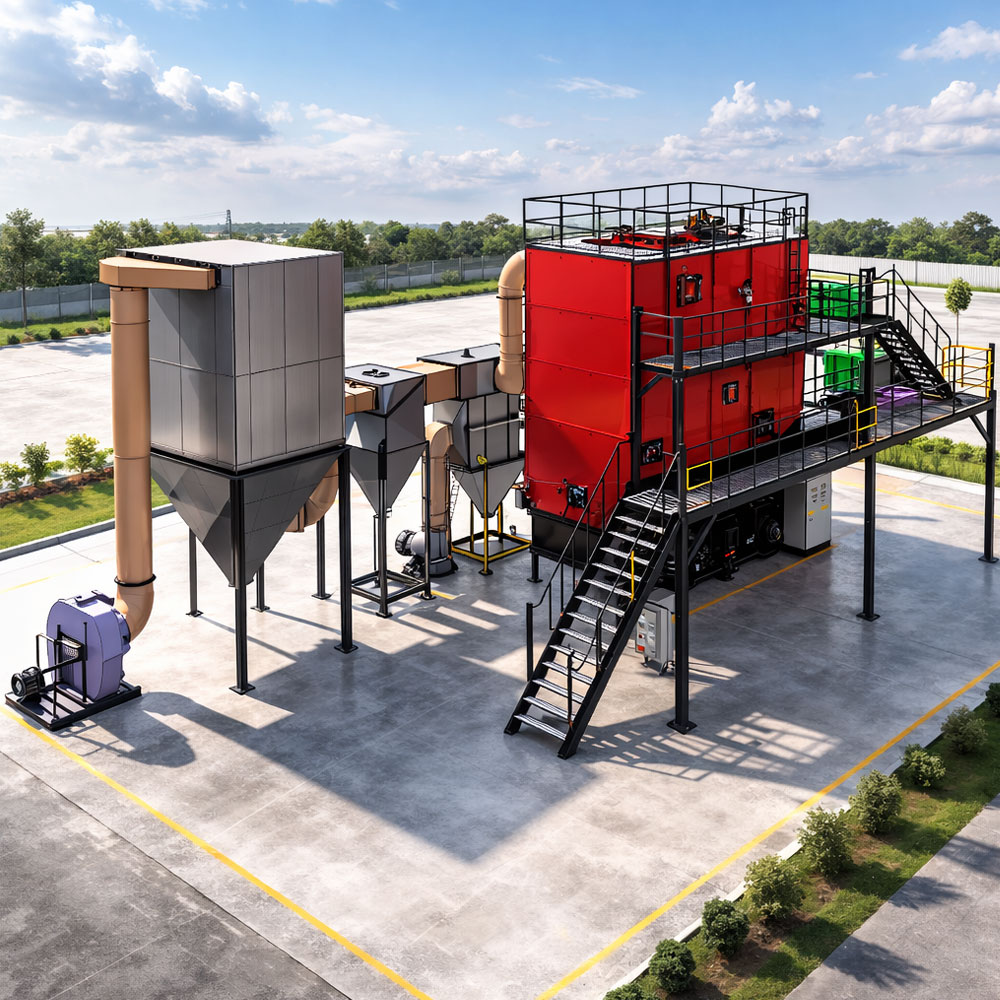
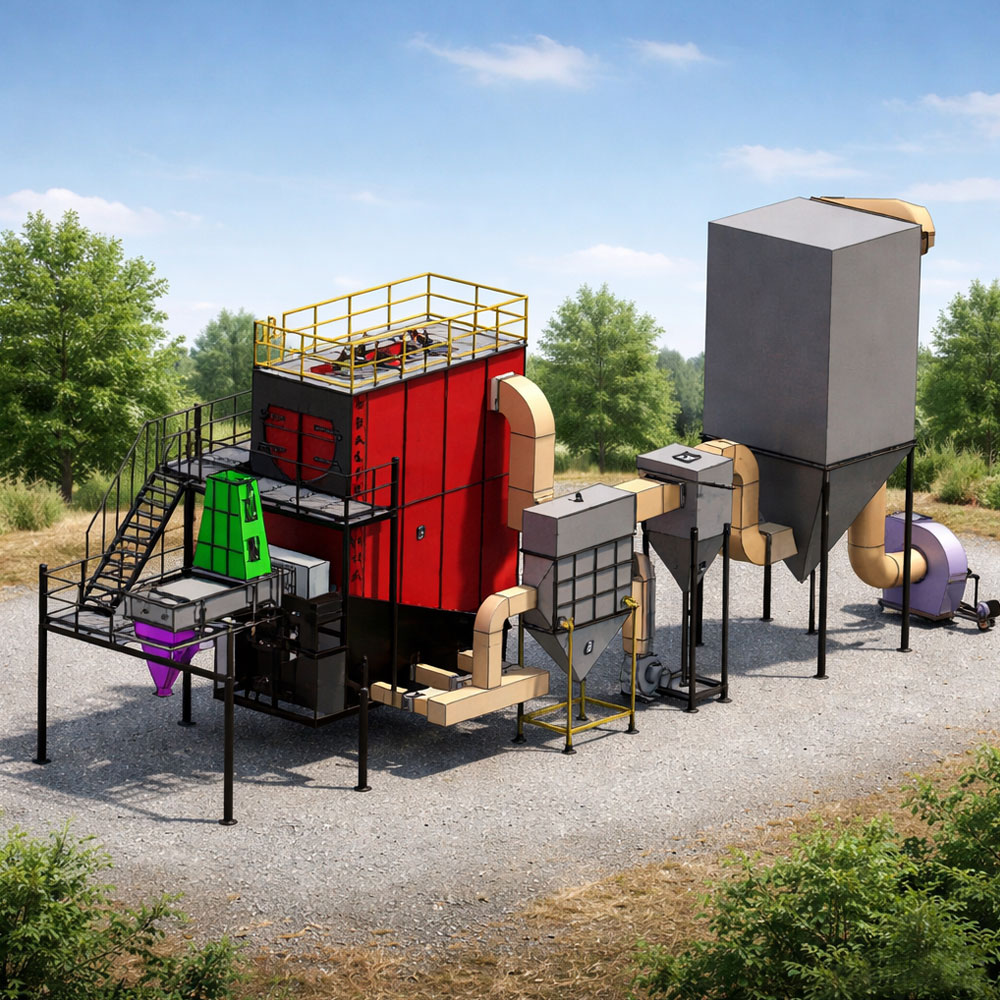
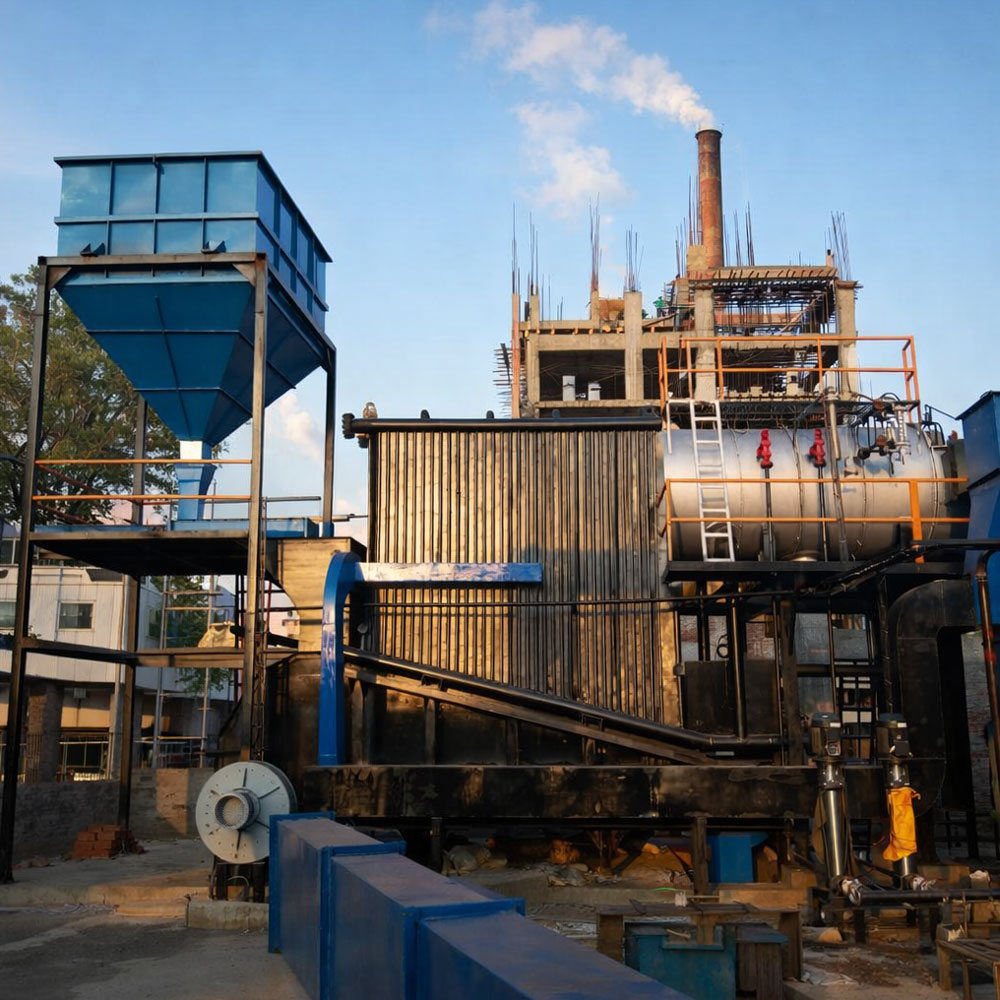
RDF Fired Boiler (Refuse-Derived Fuel) Advanced Waste-to-Energy | High-Efficiency Steam for the Circular Economy At IndianBoilers.com, we bridge the gap between waste management and industrial power. Our RDF Fired Boilers are precision-engineered to utilize Refuse-Derived Fuel—a high-energy fuel produced by shredding and dehydrating solid waste (MSW) and removing non-combustibles like glass and metal. While standard biomass boilers struggle with the heterogeneous nature of municipal waste, our RDF units are built with robust combustion technology designed specifically to handle varying calorific values, ensuring consistent steam pressure for your most demanding industrial processes. Key Features & Performance Engineered for Consistency: RDF is a “standardized” waste fuel. Our boilers capitalize on its uniform particle size to deliver higher thermal efficiency compared to raw waste incinerators. Specialized Grate Systems: Available with Reciprocating or Traveling Grate technology, designed to handle the unique ash fusion temperatures of RDF and prevent grate-clogging. Corrosion-Resistant Design: RDF can contain traces of chlorine and sulfur. We utilize Inconel cladding or high-grade alloy coatings in the superheater and furnace sections to protect against high-temperature corrosion. High Thermal Efficiency: Achieves 82% to 85% efficiency through advanced air-staged combustion and integrated heat recovery systems (Economizers & Air Pre-heaters). Advanced Emission Control: Equipped with a multi-stage flue gas cleaning system, including Bag Filters, Wet Scrubbers, and Selective Catalytic Reduction (SCR) to meet stringent CPCB/PCB norms. Automated Fuel Management: Features heavy-duty, PLC-controlled feeding systems that manage the low bulk density of RDF pellets or fluff for steady-state operation. Core Industry Applications The RDF Fired Boiler is a powerhouse for: Cement Plants: Ideal for co-processing or providing captive power using municipal waste fuel. Large Paper & Pulp Mills: Managing massive steam loads while reducing dependency on expensive coal. Municipal Waste-to-Energy Plants: The core component for converting city waste into grid-ready electricity. Chemical & Textile Clusters: Providing low-cost thermal energy for high-consumption industrial zones. Advantages Future-Proof Technology: As landfill costs rise and carbon taxes emerge, our RDF boilers offer a hedge against future environmental regulations. Turnkey Solutions: From fuel shredding and sorting advice to final steam generation, we provide complete engineering support. High Plant Availability: Designed for 8000 operational hours per year with specialized online cleaning systems (soot blowers) to handle high ash loads. Operating Range Capacity – 5 THP to 20 THP Fuel- wood pellets, Agri-pellets, biomass fuel, wood chips, Biomass agro fuels, coal etc. Pressure- 10.54 Kg/cm² to 21 Kg/cm² Technical Specifications Specification Unit CPD-RSG-40 CPD-RSG-60 CPD-RSG-80 CPD-RSG-100 CPD-RSG-120 CPD-RSG-150 CPD-RSG-200 General Steam Output From & at 100°C Kg/hr 4000 6000 8000 10000 12000 15000 20000 Working Pressure Kg/CM² 10.54 10.54 10.54 10.54 10.54 10.54 10.54 Steam Temperature °C 183 183 183 183 183 183 183 No’s Passes No’s Four Four Four Four Four Four Four No’s of Furnace No’s 1 1 1 1 1 1 1 No’s of Furnace Zone No’s 4 4 4 4 4 4 4 Steam Outlet MM 100 125 150 200 200 200 250 HTA M² 160 240 320 400 480 600 800 Type of Crushed Fuel Fuel Crushed Briquette, Boimass Pellet, Rice husk, Plam kernel shell Boilers Efficinecey with APH On Crushed Briquette % 78 /-2 78 /-2 78 /-2 78 /-2 78 /-2 78 /-2 78 /-2 On Pellet % 78 /-2 78 /-2 78 /-2 78 /-2 78 /-2 78 /-2 78 /-2 On Rice Husk % 78 /-2 78 /-2 78 /-2 78 /-2 78 /-2 78 /-2 78 /-2 On Plam kernel shell % 75 /-2 75 /-2 75 /-2 75 /-2 75 /-2 75 /-2 75 /-2 Fuel Consumption Briquette (4000) Kg/hr 692 1038 1385 1731 2077 2596 3462 Pellet (4500) Kg/hr 615 923 1231 1538 1846 2308 3077 Rice Husk (3000) Kg/hr 923 1385 1846 2308 2769 3462 4615 Plam kernel (4000) Kg/hr 720 1080 1440 1800 2160 2700 3600 Electrical Load Feed Water Pump H.P. 6.00 7.50 7.50 10.00 15.00 15.00 20.00 I.D. fan without BF H.P. 20.00 30.00 40.00 50.00 60.00 75.00 100.00 P.A. Fan H.P. 10.00 15.00 20.00 25.00 30.00 40.00 50.00 S.A. Fan H.P. 10.00 15.00 20.00 25.00 30.00 40.00 50.00 Furnace Movement H.P. 4.00 6.00 6.00 8.00 8.00 12.00 20.00 Wet ash Remover H.P. 2.00 2.00 2.00 3.00 3.00 5.00 5.00 Fuel Feeder systems H.P. 3.00 5.00 7.50 10.00 10.00 15.00 15.00 Total Electric Load H.P. 55.00 80.50 103.00 131.00 156.00 202.00 260.00 NOTE: In view of constant endeavors to improve our products, we reserve the right to alter or change above specifications without prior notice. Frequently Asked Questions What is an RDF Fired Boiler? It is a specialized steam boiler designed to burn Refuse Derived Fuel (RDF), which is the combustible fraction of municipal solid waste (plastics, paper, wood, textiles) that has been shredded, dried, and processed into fluff or pellets. How does RDF differ from raw MSW in a boiler? RDF has a higher and more consistent calorific value than raw MSW because non-combustibles (glass, metal, stones) and wet organics are removed. This allows for higher efficiency and smaller furnace designs. What is the typical Calorific Value of RDF? Depending on the processing level, the GCV of RDF ranges from 2500 to 3800 Kcal/kg, making it a powerful alternative to low-grade coal and biomass. Is this boiler IBR certified? Yes. All our RDF boilers are manufactured under Indian Boiler Regulations (IBR), ensuring they meet the safety standards required for high-pressure industrial steam and power generation. What are the common forms of RDF used in these boilers? Our boilers can be configured to fire RDF Fluff (loose shreds) or RDF Pellets/Briquettes. Fluff is often used in larger traveling grate boilers, while pellets are ideal for smaller industrial units. What type of grate is best for RDF? We typically recommend a Traveling Grate or Reciprocating Grate. These systems provide the constant agitation needed to prevent the plastic content in RDF from melting and sealing off the airflow. How do you handle the high plastic content in RDF? Plastics create high-intensity heat. We design the furnace with water-cooled walls and specialized refractory to manage the rapid thermal release and protect the boiler structure. Can the boiler co-fire RDF with other fuels? Yes. Many plants co-fire RDF with Coal or Biomass. Our control systems can manage "Mixed Fuel" ratios to maintain steady steam pressure regardless of the fuel blend. How do you prevent "Tube Fouling" and "Slagging"? RDF ash can be sticky due to low melting point silicates. We use larger tube pitches and integrated Soot Blowers to ensure that ash deposits are regularly removed from the heat transfer surfaces. Why is "Residence Time" critical for RDF? To ensure complete destruction of complex organic molecules and odors, we design our furnaces to maintain a temperature of 850°C to 1000°C for at least 2 seconds. How do you handle the corrosive gases produced by RDF? Burning RDF releases Chlorine (HCl), which is highly corrosive. We use Inconel cladding on critical superheater tubes and maintain the tube skin temperature within a "safe zone" to prevent acid attack. Is the feeding system prone to clogging? RDF fluff can be "stringy." We use Non-clogging Drag Chain Conveyors and rotary air-lock feeders to ensure a consistent, jam-free flow of fuel into the furnace. How much ash is produced by RDF? RDF typically produces 10% to 15% ash. We provide automated Dry or Wet Ash Handling Systems to manage this volume efficiently. Does the boiler produce black smoke? No. By using VFD-controlled ID/FD fans and secondary air nozzles, we ensure a perfect air-to-fuel ratio for clean, complete combustion. What is the maintenance schedule for an RDF boiler? Due to the chemical nature of the fuel, we recommend quarterly internal inspections and an annual shutdown for detailed checking of the refractory and superheater sections. How do you control emissions like Dioxins and Furans? Beyond high-temperature combustion, we provide Activated Carbon Injection and Lime Scrubbers to neutralize acid gases and capture heavy metals and toxins. What is the ROI for an RDF-to-Steam project? Industries often receive RDF at a lower cost than coal (sometimes even receiving a "tipping fee" to take it). Most plants recover their capital investment in 18 to 24 months through fuel savings. Does using RDF help in "ESG Reporting"? Absolutely. Using RDF contributes to the Circular Economy and significantly reduces the carbon footprint by diverting waste from landfills, which is a major win for corporate sustainability goals. What Air Pollution Control (APC) equipment is required? A typical setup includes a Multi-cyclone Collector, a Dry/Semi-Dry Scrubber, and a High-Efficiency Bag Filter to meet the most stringent environmental norms. Why choose IndianBoilers.com for RDF projects? Based in Ahmedabad, we have extensive experience in handling difficult, high-volatile fuels. We offer a rugged, IBR-certified design that is specifically optimized for the unique chemical profile of Indian RDF.